Explicación de las aleaciones de alta entropía: lógica de diseño, propiedades y guía de abastecimiento
Cinco metales en partes casi iguales, una estructura cristalina. Ese resultado contrario a la intuición es lo que define una aleación de alta entropía (HEA): cuando cinco o más elementos principales se mezclan en porcentajes atómicos aproximadamente iguales, la masa fundida puede solidificarse en una solución sólida única y ordenada en lugar de la maraña de compuestos intermetálicos frágiles que predice la lógica de aleaciones convencional. La mentalidad de diseño cambia de "un metal base más pequeñas adiciones" a "varios elementos que comparten el escenario", y ese cambio afecta tanto la forma en que los investigadores planifican los experimentos como la forma en que los compradores especifican las materias primas. La composición clásica de CoCrFeMnNi, conocida como aleación de Cantor, necesita cobalto, cromo, hierro, manganeso y níquel en forma de alta pureza, y nada más. Este artículo explica cómo funcionan las aleaciones de entropía, dónde ya se ganan su lugar y qué verificar antes de pedir elementos para una fusión de prueba.
¿Qué se considera una aleación de alta entropía?
La definición de trabajo es simple: una aleación con cinco o más elementos principales, cada uno de los cuales contribuye entre el 5 y el 35% en %, sin un solo metal base dominante. Los sistemas con dos a cuatro elementos principales suelen denominarse aleaciones de entropía media; Las aleaciones convencionales con un metal base transparente y adiciones menores se ubican en el extremo inferior de la misma escala.
A pesar del nombre, la alta entropía no tiene nada que ver con el calor. Se refiere a la entropía configuracional (el número de formas en que los átomos pueden organizarse en una red cristalina compartida) calculada como ΔS = R ln n, donde R es la constante de los gases (8,314 J/(mol·K)) y n es el número de elementos principales en proporciones equimolares. Una aleación de dos elementos 50/50 alcanza 5,76 J/(mol·K). Una aleación equiatómica de cinco elementos alcanza 13,38 J/(mol·K), superando el umbral comúnmente citado de 1,5R (aproximadamente 12,47 J/(mol·K)) que separa las composiciones de entropía media de las de alta entropía.
El gráfico muestra por qué el interés se aceleró una vez que los investigadores comenzaron a agregar elementos principales: la entropía aumenta abruptamente con n. Pero la entropía por sí sola no garantiza una sola fase. Una fuerte atracción entre pares de elementos específicos aún puede sacar los intermetálicos frágiles de la masa fundida, por lo que la predicción de fase también pesa la entalpía de mezcla y el desajuste de tamaño atómico. La mayoría de los HEA en funcionamiento son casi equiatómicos en lugar de exactamente equiatómicos, porque pequeños ajustes compran estabilidad de fase o ahorro de costos.
Los cuatro efectos centrales, traducidos a la práctica
Cuatro efectos se repiten en toda la literatura sobre HEA. Cada uno se relaciona con una consecuencia práctica que importa en el servicio o en el taller mecánico:
| efecto central | ¿Qué sucede a microescala? | Consecuencia práctica |
|---|---|---|
| Efecto de alta entropía | La alta entropía de mezcla favorece las soluciones sólidas desordenadas sobre los compuestos intermetálicos frágiles | Estructuras de fases más simples y tratamiento térmico más predecible. |
| Severa distorsión de la red | Diferentes tamaños atómicos deforman la red cristalina compartida | Fuerte fortalecimiento de solución sólida y alta dureza. |
| Difusión lenta | Los átomos intercambian sitios de red lentamente en la estructura abarrotada | Resistencia al crecimiento del grano y al engrosamiento a temperatura. |
| Efecto cóctel | Las propiedades superan los promedios simples de los elementos constituyentes. | Espacio para combinaciones inesperadas de resistencia, ductilidad o propiedades |
En la práctica, los dos primeros efectos impulsan la resistencia a temperatura ambiente, mientras que la difusión lenta y la estabilidad térmica son más importantes para cualquiera que diseñe piezas para un servicio prolongado a temperatura elevada. Ninguno de los cuatro actúa solo; su equilibrio difiere de un sistema a otro, por lo que dos HEA con composiciones similares pueden comportarse de manera muy diferente.
Familias de composición y control de fase.
La mayoría de las aleaciones de entropía publicadas se dividen en dos familias estructurales. Los sistemas de formación de FCC construidos a partir de metales de transición comunes ofrecen una ductilidad excepcional y una característica inusual: varios de ellos se vuelven más resistentes a medida que baja la temperatura. La composición de CoCrFeMnNi al 20% at. que se muestra a continuación es el ejemplo canónico. Los sistemas refractarios formadores de BCC construidos a base de molibdeno, niobio, tantalio, vanadio y tungsteno mantienen su resistencia a temperaturas donde las superaleaciones convencionales ceden.
Una herramienta de detección ampliamente utilizada es la concentración de electrones de valencia (VEC): las composiciones con un VEC de 8 o superior tienden a formar fases FCC, mientras que un VEC por debajo de aproximadamente 6,87 favorece BCC. El desajuste del tamaño atómico y la entalpía de mezcla por pares refinan la predicción. Estas reglas limitan la búsqueda, pero los cálculos de CALPHAD y las fundiciones de prueba aún toman la decisión final, razón por la cual los programas serios comienzan con insumos de alta pureza certificados individualmente en lugar de chatarra mezclada.
La aleación Cantor ilustra el lado de la oferta del problema: cinco elementos, cada uno especificado con una pureza del 99,9% o mejor, cada uno con su propio comportamiento de fusión y riesgos de contaminación. El níquel de alta pureza suele ser uno de los insumos más fáciles de obtener:
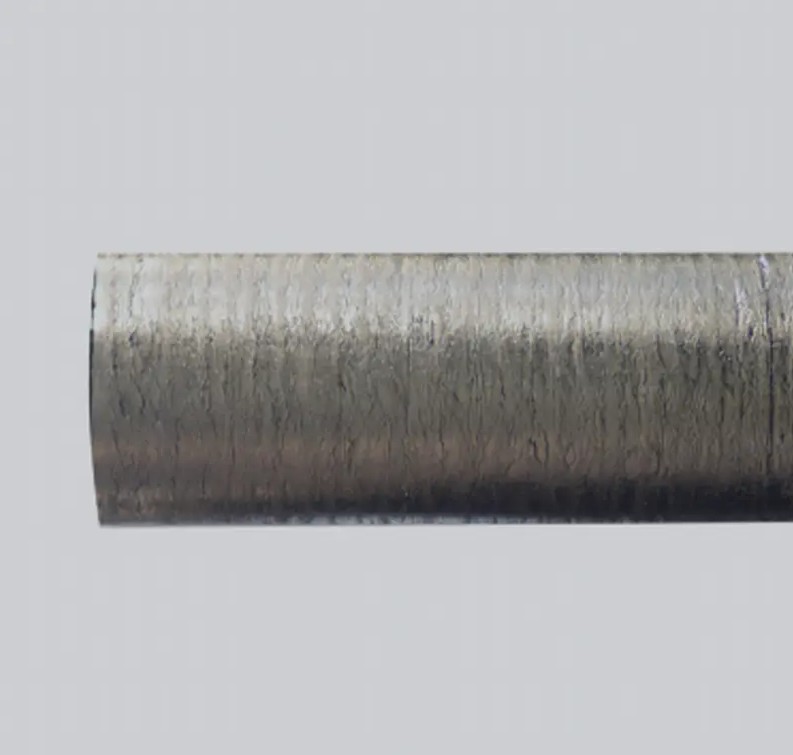
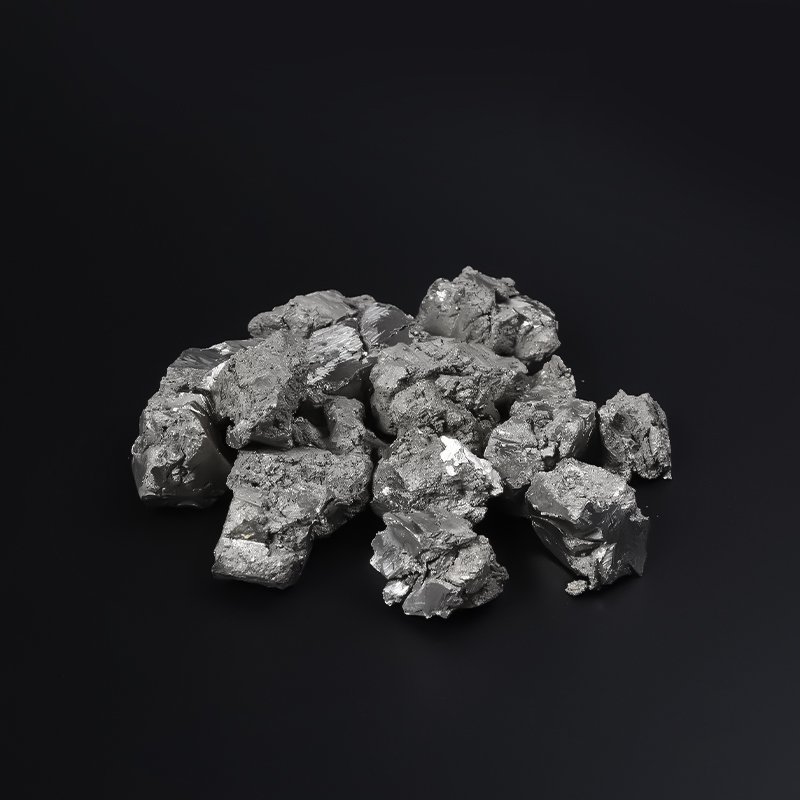
 Lingotes de tantalio de un proveedor integrado de metales de alta pureza Ningbo Chuangrun suministra lingotes de tantalio al 99,99 % con tamaños personalizables, además de servicios de purificación, fusión y fundición. Relevante cuando el costo del tantalio y su comportamiento de fusión determinan las opciones de composición. Ver producto →
 - Co — 20 % at.
- Cr — 20 %
- Fe — 20 at.%
- MN — 20 %
- Ni — 20 % at.
La elección de elementos también es lo que cuesta vidas. El manganeso es barato pero volátil cuando se funde al vacío; el cobalto y el tantalio son todo lo contrario. Por lo tanto, muchos grupos de investigación trabajan con derivados no equiatómicos ricos en hierro que preservan las propiedades útiles y al mismo tiempo recortan el extremo costoso de la composición. Si la distinción entre grados de elementos base y productos aleados es importante para su plan, nuestro artículo sobre níquel puro versus aleaciones de níquel lo cubre en detalle.
Donde las aleaciones de alta entropía ganan su lugar
La conclusión honesta es lo primero: las aleaciones entrópicas no son un reemplazo total de las superaleaciones, los aceros inoxidables o los aceros para herramientas. Ganan cuando una propiedad específica justifica una prima y ya se destacan tres nichos.
Servicio criogénico
CoCrFeMnNi se vuelve más resistente a medida que se enfría: los valores de tenacidad a la fractura publicados superan los 200 MPa·m½ a 77 K, más que los resultados de la propia aleación a temperatura ambiente. Es poco común que la resistencia, la ductilidad y la tolerancia al daño mejoren juntas a temperatura criogénica, y esto coloca a la familia FCC en las listas de candidatos para equipos de GNL e hidrógeno líquido.
Resistencia a altas temperaturas
Los HEA refractarios como MoNbTaVW conservan su límite elástico por encima de 400 MPa a 1.600 °C en pruebas de laboratorio, mientras que las superaleaciones de níquel convencionales se ablandan bruscamente más allá de aproximadamente 1.100 °C. Ese espacio libre es el punto para los componentes de turbinas y hornos, aunque la densidad, el comportamiento de oxidación y la modesta ductilidad a temperatura ambiente de los sistemas BCC siguen siendo problemas de ingeniería abiertos.
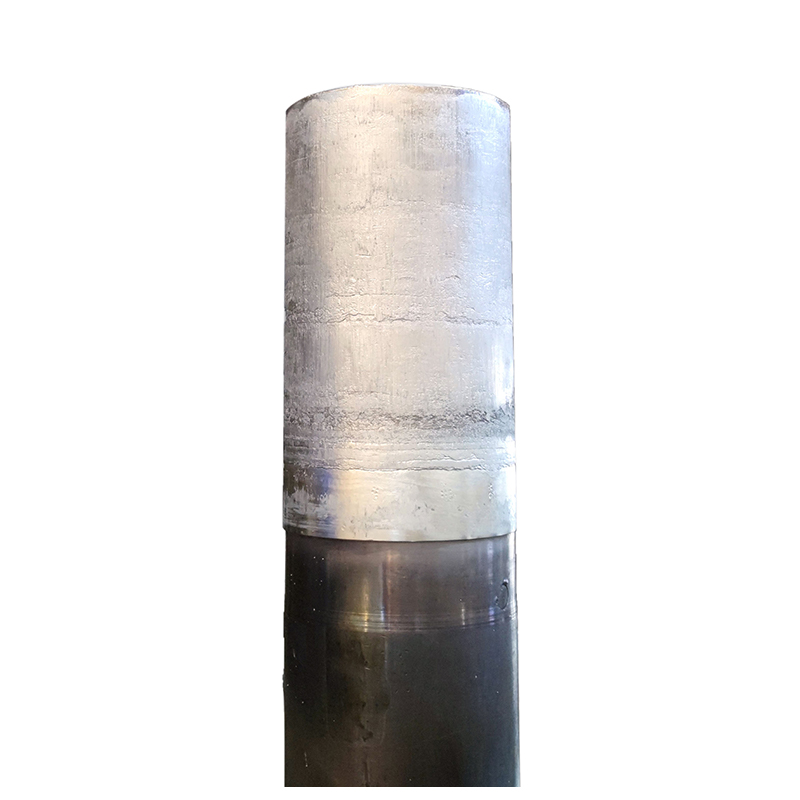
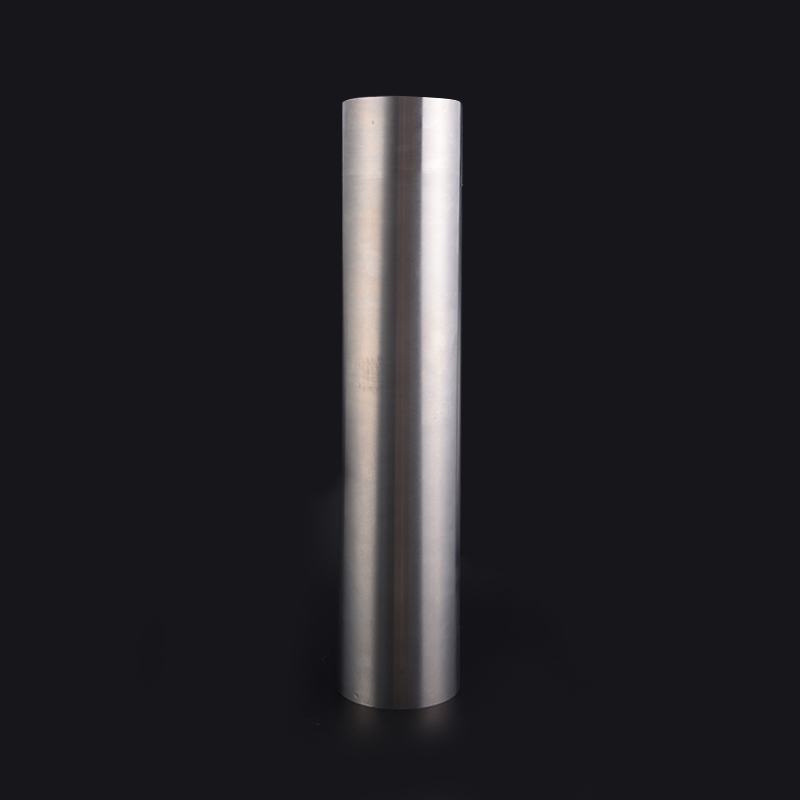
 Lingote de níquel de alta pureza para fundición de aleaciones Lingotes de níquel electrolítico o de proceso carbonilo con una pureza del 99,99 al 99,999 %, disponibles hasta 400 mm y 2 toneladas. Un elemento base conveniente y de fácil obtención para fundiciones de aleaciones Cantor y otras aleaciones de alta entropía. Ver producto →
 La comparación esquemática a continuación captura la brecha que motiva esta investigación:
La línea dorada representa una aleación refractaria de alta entropía del tipo MoNbTaVW; la línea discontinua negra representa una superaleación convencional a base de níquel. RT significa temperatura ambiente. Ambas curvas son tendencias esquemáticas para ilustración en lugar de datos medidos de una aleación específica, pero la divergencia por encima de 1000 °C refleja el patrón publicado.
Las superficies primero
La ruta más madura comercialmente aplica HEA como recubrimientos en lugar de piezas a granel. Los recubrimientos HEA revestidos con láser y las películas delgadas de HEA pulverizadas brindan alta dureza además de resistencia al desgaste y a la corrosión utilizando micras de material en lugar de kilogramos, lo que evita la barrera de costos de elementos como el tantalio y el vanadio.
Obtención de los elementos: lo que los compradores deben verificar
Una fusión de cinco componentes multiplica por cinco el riesgo de abastecimiento, y las preguntas que deciden si una fusión de prueba reproduce los datos publicados son en su mayoría poco glamorosas:
- Especifique la base de pureza por escrito. Una etiqueta "99,9%" puede significar un 99,9% de impurezas metálicas totales con oxígeno, nitrógeno e hidrógeno no controlados, y el contenido intersticial cambia la formación de fases en los sistemas que contienen titanio y niobio.
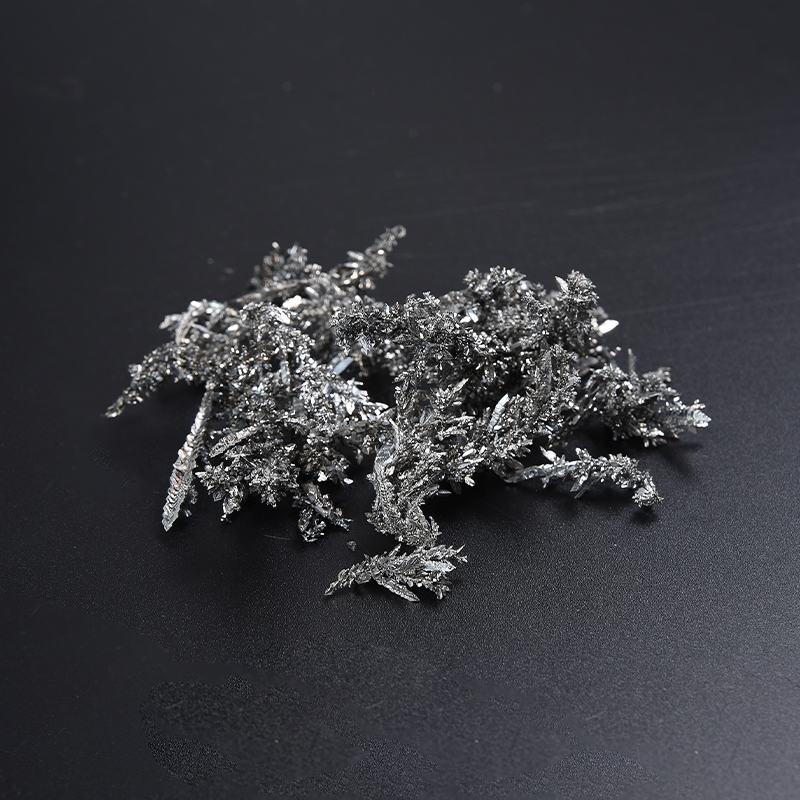
- Haga coincidir la forma del producto con la ruta de fusión. Los lingotes se adaptan a la fusión por arco y por inducción; las partículas y los polvos se adaptan a la pulvimetalurgia y a las rutas de aditivos; Los cristales y la esponja sirven para flujos de trabajo de refundición y refinación.
- Verifique los puntos de fusión con su equipo. El tantalio se funde a 3.017 °C, el tungsteno a 3.422 °C, el molibdeno a 2.623 °C y el niobio a 2.477 °C: el componente de mayor punto de fusión decide qué tipo de horno necesita realmente el programa.
- Planifique pérdidas volátiles. El manganeso y, en menor grado, el cromo se evaporan al vacío, por lo que las cargas a menudo se sobrealean para obtener la química final deseada.
- Exija certificados por lote con análisis real, no con una calificación nominal. La contaminación cruzada de crisoles compartidos y fundidos anteriores es un modo de falla silenciosa común en el trabajo con múltiples elementos.
Aquí es donde los proveedores especializados ganan su papel. Ningbo Chuangrun New Materials (CRNMC), un productor chino de metales de ultra alta pureza fundado en 2012, se basa exactamente en esta cadena (purificación, fusión, fundición y procesamiento) en cinco bases de producción, con pruebas de pureza ofrecidas como servicio al cliente y sistemas de calidad ISO 9001 e IATF 16949. Para un programa que necesita niobio, tantalio, molibdeno, cobalto o níquel en forma certificada de alta pureza, un proveedor integrado de este tipo acorta el camino desde el diseño de la composición hasta la primera fusión.
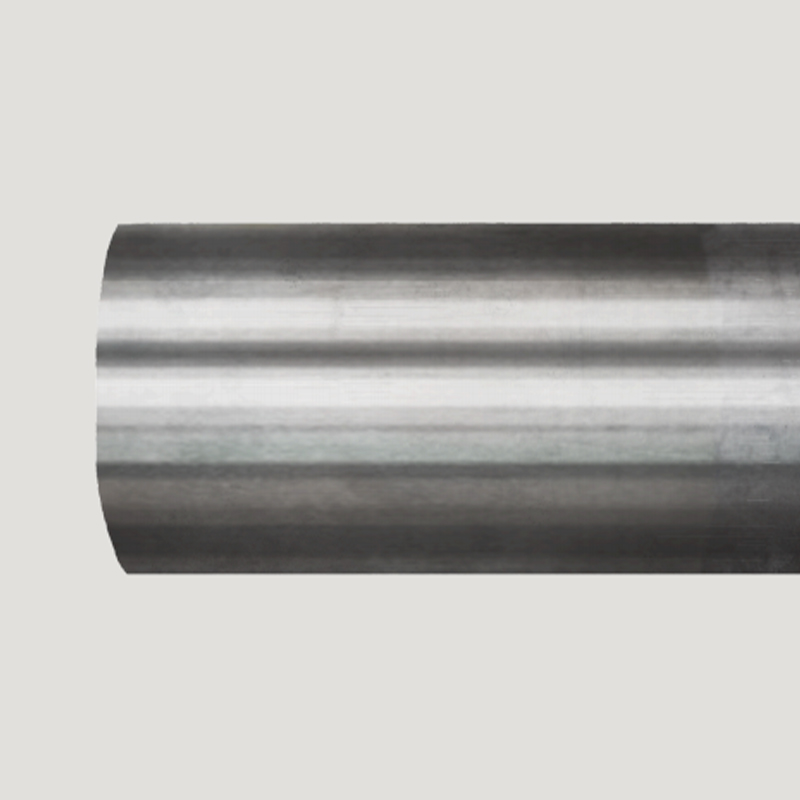 Lingote de niobio con una pureza del 99,99% Lingotes de niobio de alta pureza con bajos niveles de impurezas y grandes pesos individuales. Un elemento refractario clave para aleaciones de tipo MoNbTaVW, donde el foco de la investigación es la retención de resistencia a 1600 °C. Ver producto →
 Preguntas frecuentes
¿Están disponibles comercialmente en la actualidad aleaciones de alta entropía?
Los HEA estructurales a granel siguen siendo en gran medida un mercado de investigación y especialidad. Los revestimientos, las capas de revestimiento duro y las películas catódicas son los más cercanos al uso industrial rutinario, y se ha comercializado un pequeño número de aplicaciones de herramientas y corrosión. En la mayoría de los casos, obtendrá los elementos y realizará pruebas de fusión en lugar de comprar barras HEA estándar.
¿Qué separa una aleación de alta entropía de una aleación convencional?
Una aleación convencional tiene un metal base dominante con adiciones menores. Un HEA tiene cinco o más elementos principales en proporciones sustanciales, lo que produce una red repleta de átomos de diferentes tamaños: la fuente de los efectos de fortalecimiento, difusión y estabilidad descritos anteriormente.
¿Las aleaciones de entropía siempre superan a las aleaciones convencionales?
No. Algunos sistemas HEA cuestan más, pesan más o se oxidan más rápido que las aleaciones con las que compiten. El rendimiento es específico del sistema, y los casos ganadores son aquellos en los que una propiedad decisiva (dureza criogénica, resistencia a altas temperaturas, dureza del recubrimiento) supera la prima.
¿Qué debo especificar al pedir elementos para una fusión HEA?
Como mínimo: pureza y su base (metálicos versus intersticiales), contenido de gas, forma y tamaño del producto, certificados de análisis por lote y las prácticas de control de contaminación del proveedor. Para elementos volátiles, analice también una composición compensadora.
La conclusión: las aleaciones de entropía reemplazan la mentalidad de un solo metal base con una mentalidad de composición espacial, y sus cuatro efectos centrales explican la mayor parte de lo que las hace interesantes. Para los compradores, el trabajo decisivo ocurre en sentido ascendente: la pureza de los elementos, la forma y la documentación determinan si una composición prometedora se comporta como los datos publicados. Si está preparando una fusión de prueba y desea una cotización o certificados de pureza para elementos específicos, envíe su composición al CRNMC a través del página de contacto .
QUIENES SOMOS
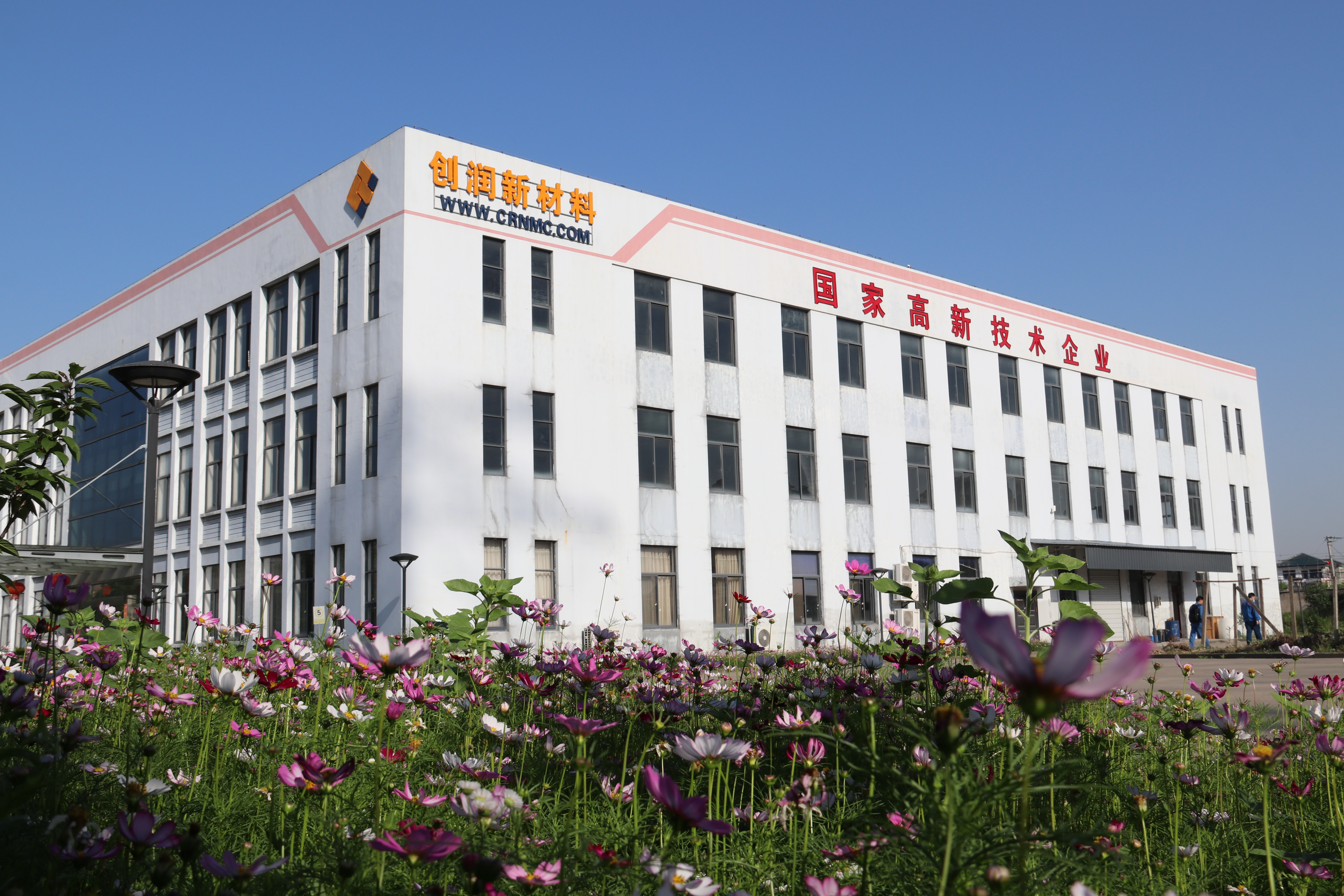
Ningbo Chuangrun New Materials Co., Ltd. (CRNMC) se estableció en junio de 2012 y tiene cinco bases de producción en China. Nos dedicamos a la purificación, fusión, fundición y procesamiento de titanio, níquel, cobre, niobio, cobalto, etc. de alta pureza, y proporcionamos una gama completa de metales de grado electrónico, como cristales electrolíticos, lingotes, lingotes forjados, polvos y placas de alta pureza.
Nuestro equipo está compuesto por expertos de la industria y una plantilla emprendedora de 40 profesionales con formación metalúrgica, todos ellos dedicados a la industrialización de materiales de alta gama.
En la actualidad, la empresa ha completado el diseño de su cadena industrial de materiales ultrapuros para garantizar la calidad, la entrega a tiempo y un mejor servicio al cliente.
Todo el personal está comprometido y motivado y espera cumplir con los requisitos del cliente.
CERTIFICACIONES
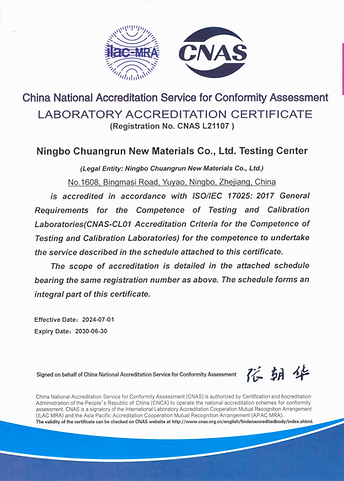
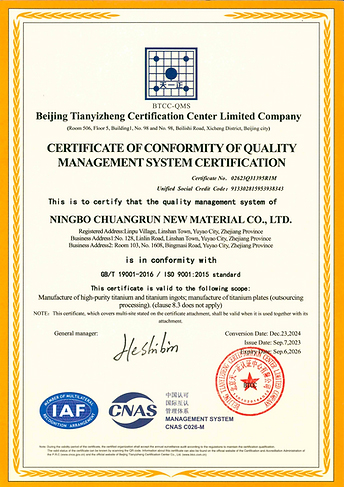
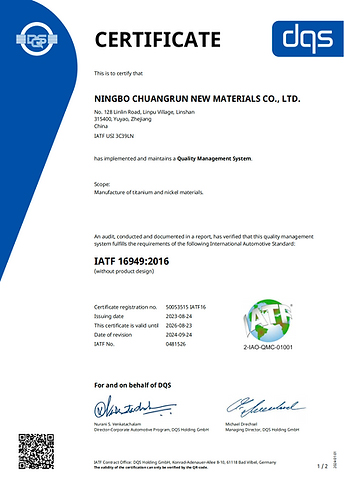
ANTNSA Y MEDIOS